Disney World Weather Guide: Month by Month Planning
Two Distinct Seasons
Disney World has two clear weather seasons. From November through April, the weather is warm and dry with comfortable humidity levels. From May through October, the heat and humidity spike dramatically, and afternoon thunderstorms become a daily occurrence. The experience differs enormously depending on which season you choose.
The Warm and Dry Season: November to April
This is the most comfortable season for most families. Daytime temperatures range from 60F to 80F. Humidity is low. Thunderstorms are rare. You can actually walk around the parks without drenching yourself in sweat by 9 AM.
October and November: The Best Months
October and November are the gold standard for Disney weather. Temperatures sit in the 70s to low 80s. Humidity drops to comfortable levels. October and November are reliably easy months for weather. Children can manage a full park day without heat exhaustion being a concern. The only downside: October is still technically hurricane season, so there’s a small risk of tropical systems, though direct hits are rare.
These months are also less crowded than December. Crowds spike at Thanksgiving and Christmas, but October and early November have fewer tourists.
December: Cold and Crowded
December temperatures range from 65F to 75F during the day. It’s pleasantly cool. However, December is the most crowded month of the year. Winter holiday decorations are beautiful, but you’ll wait 45 to 60 minutes for major attractions. If you visit December, go during the first week before winter break starts, or during the week after Christmas through New Year’s when some people leave.
November tends to be much better value. Same nice weather, half the crowds.
January and February: Quiet and Cold
January and February see fewer tourists. Temperatures are cooler, often dropping to the 50s to 60s during the day. January is one of the best months of the year for crowd levels and wait times.
The cold snap can be surprising to families from warmer climates. On January 18, 2026, it dropped to 42F in the morning. Layer it: a moisture-wicking base and a light jacket you can drop by late morning. I’ve seen families unprepared for cold Disney weather, wearing t-shirts and shorts in 45F weather.
February to April: Warming Up
March and April temperatures climb back to 75F to 85F. Humidity stays low. The gardens bloom, flowers are everywhere, and the parks feel fresh. Spring break creates some crowd increases in late March and early April, but it’s nothing compared to summer or December.
The Hot and Wet Season: May to October
From May onward, Disney becomes a heat and humidity challenge. Not impossible, but requires different strategies.
May: Transition Month
May is the bridge between seasons. Early May still feels like spring, with temperatures in the low 80s. By late May, you’re regularly hitting 88F to 92F. Humidity climbs from manageable to oppressive. Afternoon thunderstorms begin appearing regularly.
Summer: June, July, August
Summer is the worst season for heat and humidity. Regular temperatures are 93F to 95F. Humidity is extreme. Most days, the “feels like” temperature is 100F to 105F.
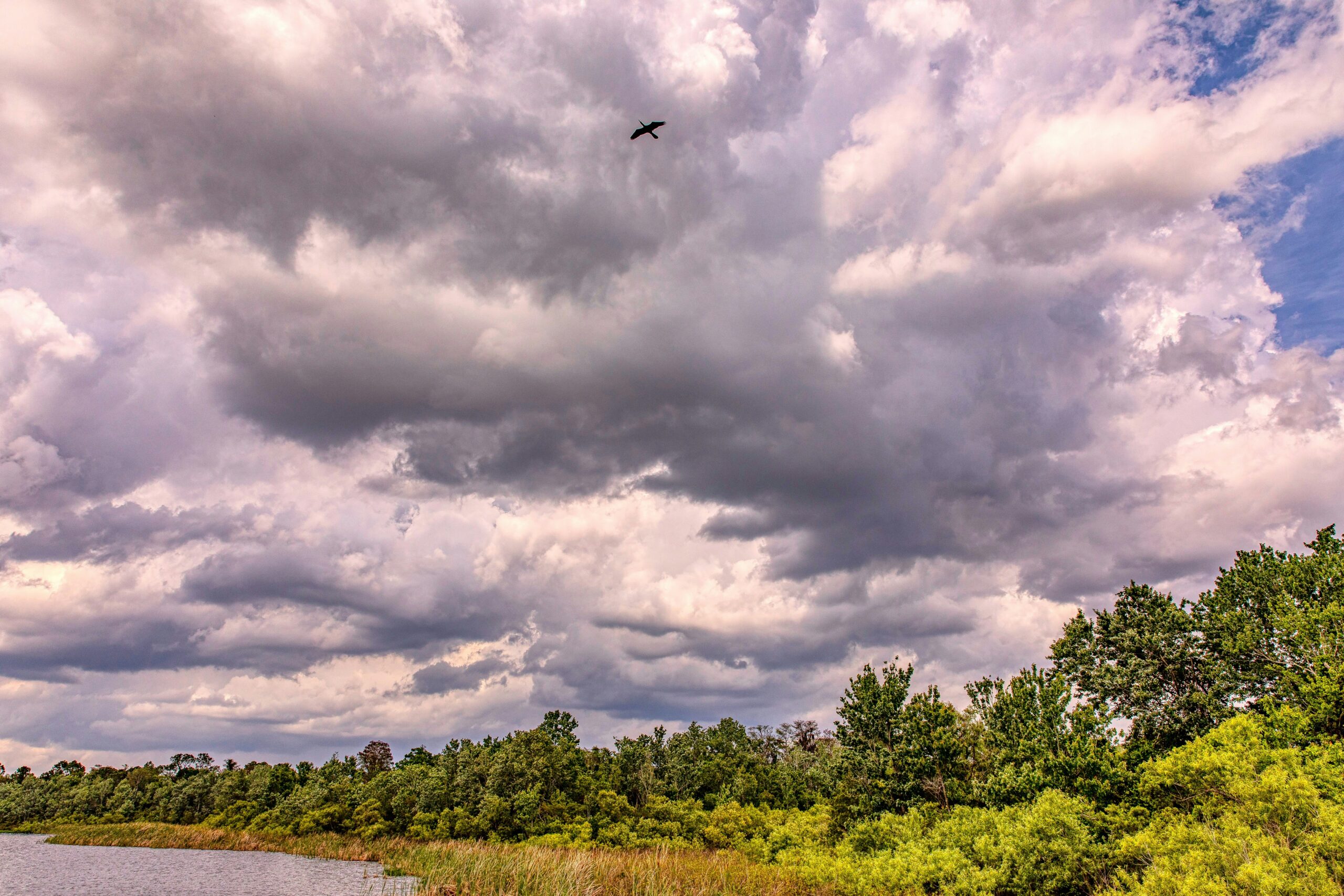
Without fail, afternoon thunderstorms arrive between 1 and 4 PM. These aren’t gentle showers. They’re intense downpours that last 20 to 45 minutes. We’ve experienced this on every summer visit.
Crowds are high because school is out, though they’ve actually declined the past few years as families discover that summer at Disney is unpleasant for everyone.
July afternoons are brutal. Expect young children to flag badly by about 2 PM even with regular breaks and cooling. For many families, summer simply does not work.
September and October: Extremely Humid
September and October remain hot and humid. Temperatures drop to 85F to 90F, which feels cooler than July but is still oppressive with the high humidity. These months are also peak hurricane season. September 2004 brought Hurricane Charley, which knocked down trees in Animal Kingdom. While direct hits are rare, tropical systems happen regularly.
Both months have lower crowds than summer because families believe school has started. However, international tourists still visit, and the parks stay moderately busy.
Heat Management Strategies
If you’re visiting May through October, heat management becomes your daily priority.
Hydration is Non-Negotiable
Bring a refillable water bottle. Use the bottle fillers located throughout the parks, usually near restrooms and food carts. Drink more water than you think you need. Allow 3 to 4 litres of water per person per day during summer visits.
Disney water is free at quick service locations. Ask the cast member behind the counter for a cup of ice water. They’ll provide it without question.
Sports drinks with electrolytes help if you’re a heavy sweater, but mostly you just need water.
Midday Breaks Are Essential
Return to your resort from 1 to 4 PM during summer months. Swim in the resort pools, relax in air conditioning, take a nap. It lets children recharge for the evening portion of the day. We return around 5 PM, stay until park closing, and catch evening shows and attractions when it’s cooler and quieter.
This schedule is exhausting-sounding but actually reduces overall park time and feels more enjoyable. We see fewer attractions overall, but we see them without heat-induced grumpiness.
Cooling Towels and Practical Items
Cooling towels from Amazon cost $10 to $15 and help. We wear them around our necks. They stay damp and provide constant cooling.
Lightweight, breathable clothing in light colors reflects heat better than dark colors. Moisture-wicking fabrics keep sweat off your skin.
Hats are essential. I wear a wide-brimmed hat that covers my neck. A baseball cap does more than sunscreen alone.
Afternoon Thunderstorms: May to October
From May through October, expect thunderstorms between 1 and 4 PM almost daily. They’re brief but intense.
What Actually Happens
The storm arrives suddenly. Lightning flashes, thunder cracks, and rain falls in sheets. Disney closes outdoor attractions immediately. Queues for indoor attractions explode. You’ll see 45 to 60-minute waits for indoor rides like Haunted Mansion or Pirates of the Caribbean during a storm.
The storm passes in 20 to 45 minutes. Everything reopens. Life resumes.
Rain Ponchos: Buy Cheap, Not at Disney
Disney sells ponchos for $12 to $15. Walmart sells them for $1 to $2. Buy three ponchos from Walmart before your trip. When the storm hits, you’ll be dry while paying one-tenth of Disney’s price.
Pack the ponchos in a small backpack. They weigh almost nothing and take up minimal space.
Alternative: lightweight rain jacket that packs small. A packable rain shell costs very little and packs down smaller than a packing cube.
Managing Storm Timing
Storms are predictable. They hit mid-afternoon. Plan your park day accordingly. Arrive early, tackle outdoor attractions in the morning, take a midday break during storm time, then return for evening outdoor entertainment when the storm has passed and humidity drops.
This schedule aligns with crowds too. Morning is quieter at the gates. Afternoon storms create natural downtime. Evening is pleasant weather with moderate crowds.
Cold Snaps: January and February
Cold weather is rare but happens. January can dip to 40F to 50F. February is usually warmer but occasional cold snaps occur.
Layer your clothing. Thermal base layers, then regular clothes, then a light jacket. By 11 AM, you’ll usually be warm enough to remove the jacket.
Cold nights (below 50F) mean outdoor evening shows feel chilly. Bring a lightweight layer or sweater for shows like Enchantment.
Cold weather is actually ideal for Disney. You can walk around comfortably, you won’t overheat, and humidity is low. We actually prefer cool Disney weather to hot weather.
Hurricane Season and Tropical Systems
Hurricane season runs June through November, with peak activity in September and October. Direct hurricane hits on the Disney area are rare. Hurricane Charley in 2004 was the last significant direct hit.
However, tropical systems brush the area regularly and bring heavy rain for 1 to 2 days. A single tropical system in September can bring 3 inches of rain and close several attractions. We were prepared with ponchos and indoor activity plans.
Disney rarely closes entirely due to weather, but individual outdoor attractions may close during heavy rain and lightning.
Packing by Season
November to April: Warm and Dry
- Lightweight clothing in layers
- Light jacket or sweater for mornings and evenings
- Comfortable walking shoes (broken in before your trip)
- Sunscreen (SPF 50+)
- Hat and sunglasses
- No rain gear needed except in January/February where rain is rare
May to October: Hot and Wet
- Moisture-wicking clothing in light colors
- Lightweight, breathable fabrics
- Rain poncho or lightweight rain jacket
- High SPF sunscreen (SPF 70+)
- Cooling towels
- Hat with wider brim for neck protection
- Extra socks and change of shoes (water rides drench you)
- Lightweight layers for heavy air conditioning in rides
Personal Experience: Summer vs. Winter
Compare a July trip with a 6-year-old and a 10-year-old against the same trip in November. By 2 PM daily, both kids were miserable from heat. You can spend more on ice cream and cooling breaks than on attractions. November is the better bet. Same kids, vastly different experience. They could walk the parks comfortably all day. Afternoon thunderstorms are worth planning around rather than dreading. Queues drop while they pass.
October, November, January and February are the months worth building a trip around. The cost difference is minimal (we actually visit on a budget by visiting off-season), and the experience is exponentially better. You’ll do more, see more, and enjoy it more when weather is on your side.
Pack for the month you are visiting. Our Disney World packing list allows for the humidity and the afternoon storms.
Frequently Asked Questions
What's the weather like at Disney World in summer?
Hot and humid. June to September averages 90 to 95°F with afternoon thunderstorms most days. Plan indoor breaks between 1pm and 4pm.
When does it rain at Disney World?
Summer afternoons (15 to 45 minutes typical), and occasional cold fronts in winter. Hurricanes are possible August to October but actual hits on the parks are rare.
What should I wear at Disney World?
Comfortable closed-toe shoes, light layers in winter, light synthetic fabrics in summer. A poncho beats an umbrella for summer storms.
Is Disney World too hot in July?
It's the most uncomfortable month. Heat index regularly tops 100°F. Many regulars avoid July specifically. February through April is the better window if you have school-aged kids.
Will rain close the rides at Disney World?
Outdoor rides close during lightning. Disney usually reopens them within 30 to 60 minutes of the storm passing. Indoor rides keep running.